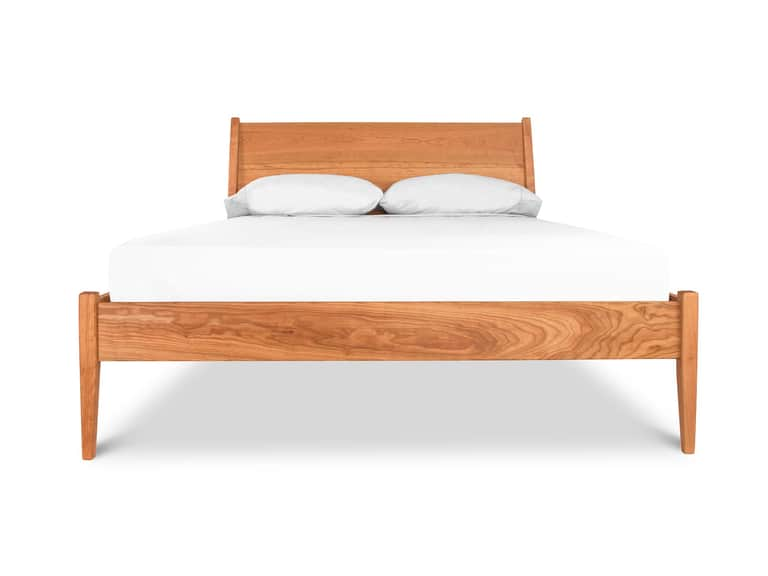
Bedroom design · Furniture guide
A Closer Look at the Shaker Moon Frame by Maple Corner Woodworks
A Shaker-inspired bed frame can bring a room a sense of calm without asking for attention. The Shaker Moon frame’s appeal begins with its recognizable style—but its dimensions, construction, finish, and compatibility with your mattress are what determine whether it truly belongs in your bedroom.
Published November 4, 2026
A bed is one of the largest pieces of furniture in a home, and one of the most personal. It sets the tone for the bedroom, shapes how the space functions, and has to work comfortably night after night. That makes a frame such as the Shaker Moon by Maple Corner Woodworks worth considering from more than one angle. Its name suggests a meeting of a classic furniture tradition and a particular design identity, but a pleasing silhouette is only the beginning of a practical evaluation.
Before making a decision, look closely at what is documented about the frame and what still needs confirming. The available description identifies the Shaker Moon as a traditional wood-furniture design, but does not specify its timber, finish, joinery, dimensions, mattress support system, or weight capacity. Those details matter. Rather than treating them as minor fine print, use them as a checklist for a conversation with the maker or retailer.
This guide explores the design cues associated with Shaker furniture, the construction questions that help distinguish a well-made frame, and the measurements that can save you from an expensive fit problem. The goal is not to assume details that have not been supplied, but to help you assess the Shaker Moon thoughtfully and understand what to verify before it becomes the centerpiece of your room.
What the Shaker look brings to a bedroom
Shaker furniture is widely associated with simplicity, utility, and restrained ornament. In a bedroom, that design language often translates into clean lines, a composed outline, and an emphasis on proportion rather than decorative flourishes. The result can feel traditional without being fussy: a bed that provides a strong visual anchor while leaving room for textiles, artwork, and the character of the home to do their part.
The name “Shaker Moon” is evocative, but a name alone cannot tell you exactly what the frame looks like. Ask for clear specifications or a product view that shows the headboard, footboard, side rails, legs, and the frame’s profile from more than one angle. Look for the details that shape its personality: Are the panels flat or raised? Are the edges square, softened, or shaped? Does the headboard sit high enough to read as a focal point, or does the design keep a lower profile?
Those distinctions affect how the bed works with a room. A simple frame can sit comfortably among different styles, but scale and finish still count. In a small bedroom, a tall or visually heavy headboard may feel dominant. In a spacious room, a low, understated frame may look especially serene—or seem undersized beside high ceilings and substantial furniture. The right choice depends on the room’s proportions, not just the style label.
Shaker-inspired furniture also tends to reward a less-is-more approach to styling. Crisp sheets, a textured blanket, and a modest number of pillows can let the frame’s lines remain visible. That does not mean a bedroom has to feel austere. Warm wood, soft fabrics, and layered lighting can make a simple outline feel welcoming and lived-in.
Construction deserves a closer look
With any wooden bed frame, construction is part of both its appearance and its everyday performance. A frame has to support the mattress and sleepers, stay stable as people get in and out of bed, and hold together through ordinary movement. A polished finish may catch the eye first, but joinery, rails, center support, and the foundation system are equally important parts of the evaluation.
For the Shaker Moon frame, the supplied information does not identify a particular wood species or explain how its components are joined. Ask whether the frame is made from solid wood, engineered wood, or a combination, and request clarity about which parts use each material. “Wood frame” can describe many different constructions; knowing the actual materials gives you a more useful basis for judging durability, appearance, and maintenance.
Next, ask how the rails connect to the headboard and footboard. The connection should be designed to remain secure and should be accessible for inspection or tightening if needed. Find out whether the frame uses bolts, brackets, traditional joinery, or another system, and whether any assembly hardware is included. You do not need to be a furniture maker to ask these questions. A clear, specific answer is simply part of understanding what you are considering.
Support beneath the mattress deserves equal attention. Some frames use slats, while others require a separate foundation or a particular type of platform. Slat spacing, center support, and the placement of legs can affect how evenly a mattress is supported. Confirm the manufacturer’s requirements for the mattress you plan to use; do not assume that a frame is compatible with every mattress just because the dimensions appear to match.
Stability is another practical point. If you can examine the frame in person, notice whether it feels steady and whether the joints move when pressure is applied. Ask about the stated weight capacity and whether it includes the mattress and occupants. If the frame is assembled at home, follow the instructions carefully and check whether the maker recommends periodic tightening. These small details are part of how a piece holds up beyond its first impression.
Measure the room—and the route into it
Before choosing any bed, compare the frame’s full outside dimensions with the space available. Mattress size is not the same as overall frame size: rails, posts, and headboard or footboard profiles may extend beyond the mattress. Because no Shaker Moon measurements are provided here, request its overall length, width, and height, along with the dimensions of the sleeping surface it is designed to accommodate.
Then measure the bedroom itself. Mark out the frame’s footprint on the floor with painter’s tape or a similar removable guide. This quick exercise can reveal whether there is enough clearance to open drawers, walk around the bed, reach a closet, or move comfortably between the bed and a wall. Consider bedside tables, doors, radiators, and window coverings too. A frame can fit on paper and still make a room feel cramped.
Ceiling height and visual balance also belong in the calculation. A tall headboard can add presence, but it should not compete awkwardly with a low window or obscure a feature you want to keep visible. If you plan to place the bed beneath a sloped ceiling, measure the usable height at the exact location rather than relying on the room’s highest point.
Finally, consider delivery and assembly access. Measure narrow hallways, stair turns, door openings, and any elevator or landing that the frame must pass through. Ask whether it arrives in separate components, whether assembly is required, and how large the largest piece is. This is especially important in older homes, apartments, and upper-floor bedrooms where a bulky headboard may be difficult to maneuver.
Match the frame to the mattress and foundation
A good-looking bed frame can disappoint if it does not work with the mattress beneath it. Confirm that the Shaker Moon is built for your mattress size and ask whether it requires a box spring, a foundation, or a mattress placed directly on a platform or slat system. The product description supplied for this frame does not state its foundation requirements, so that is a key detail to verify rather than guess.
If it uses slats, ask about their number, spacing, and material, and check the mattress maker’s support requirements. Some mattresses specify a maximum gap between slats or require a continuous, solid surface. Following those guidelines can help prevent inadequate support and may also be necessary to preserve the mattress warranty. If a separate foundation is required, account for its height when working out the finished bed height.
Height affects the whole sleep setup. Add together the frame’s platform or support height, the foundation if applicable, and the mattress thickness. Then consider how easy it will be to sit on the edge and get in and out of bed. A very high sleeping surface may feel awkward for some people; a very low one may not suit everyone either. The best height is the one that fits the sleepers and the room.
Also consider headboard compatibility. If you already own a mattress or adjustable base, confirm whether the frame is compatible with it and how the components attach. If you use an adjustable base, ask specifically whether it can fit inside the frame and operate without obstruction. Never infer compatibility from appearance or mattress size alone.
Wood, finish, and everyday care
Wood brings natural variation to furniture, so grain and color can differ from one piece to another. Ask which species and finish are used for the Shaker Moon, whether the finish is available in multiple colors, and how the maker recommends cleaning it. Without those details, it is not possible to predict the frame’s exact appearance or care needs.
When reviewing a finish sample, look at it in the kind of light the bedroom gets during the day and evening. A finish can read warmer, cooler, lighter, or darker depending on its surroundings. Compare it with the floor, nightstands, and other large pieces rather than trying to match every wood surface exactly. A coordinated room usually benefits more from complementary tones and consistent visual weight than from an exact match.
Ask what ordinary maintenance involves. Some finishes call for a soft, dry cloth; others may tolerate a slightly damp one. Avoid applying cleaners, oils, or polishes unless the maker recommends them. Protect the frame from standing moisture and follow the care instructions for any touch-ups. For a bed, simple attention to fasteners and contact points may also help keep it secure over time.
Durability is not just a matter of choosing a hard-sounding wood name. It depends on the full construction, the design of the joints, the support system, the finish, how the bed is used, and how it is maintained. A transparent maker should be able to explain the materials and provide practical care guidance without relying on broad promises that cannot be checked.
Questions to ask before deciding
When product information is limited, a concise set of questions can turn a vague impression into a useful comparison. Before committing to the Shaker Moon frame, seek written answers to the points that matter most for your situation.
- What are the frame’s overall dimensions, and what mattress size does it accommodate?
- Which materials are used for the headboard, footboard, side rails, slats, and supports?
- What finish options are available, and how should the finish be cared for?
- Does the frame require a box spring or foundation, or is it designed for direct mattress support?
- If it uses slats, what is their spacing, and is a center support included?
- What is the maximum recommended weight capacity, and what does that figure include?
- How is the frame assembled, and are tools or additional hardware required?
- What are the delivery, return, repair, and warranty terms?
Answers in writing are useful when comparing options or planning a room. They also help distinguish confirmed specifications from assumptions made on the basis of a name, a photograph, or a general description. If a detail affects mattress support, fit, or safe use, get it clarified before placing an order.
How a Shaker-style bed fits into a broader design
One reason simple wood frames remain appealing is that they can adapt as a room changes. A restrained headboard can work with patterned bedding today and quieter linens later. It may sit comfortably beside a contemporary lamp, a vintage rug, or a more traditional nightstand, provided the proportions and finishes work together.
For a harmonious arrangement, think about visual weight. A substantial frame pairs naturally with furniture that has enough presence to balance it, while a lighter-looking bed can suit a smaller room or a more open layout. Repeating one or two design cues—such as a wood tone, a clean edge, or a simple panel—can make the room feel considered without making every piece match.
If you are comparing related styles, the American Shaker Panel Bed offers another example of a Shaker-influenced bed with clean panel detailing. It is a separate product, not the Shaker Moon frame, and its available description should not be treated as confirmation of the Moon frame’s materials or features. The comparison can nevertheless help clarify which visual qualities you prefer: the outline of the headboard, the presence of a footboard, or the degree of panel detail.
Keep the room’s daily rhythms in view as well. A bed is not only a design statement; it is a place to rest, read, dress, and move around. Leave enough clearance for making the bed and changing sheets. If storage is important, confirm whether the frame allows under-bed access or works with the storage arrangement you already have. A beautiful piece is most satisfying when it supports the way the room is actually used.
A practical verdict: let the details complete the picture
The Shaker Moon frame by Maple Corner Woodworks has a compelling starting point: a traditional wood-furniture identity and a style direction that favors simple, purposeful lines. That combination may appeal to someone seeking a bed with a grounded, enduring look rather than a highly ornamental centerpiece. But the supplied information does not establish the frame’s exact design, construction, dimensions, or support requirements.
That distinction is important. A responsible assessment should not turn an evocative product name into unverified claims about wood species, craftsmanship, origin, or performance. Instead, use the Shaker Moon’s style as a reason to explore the piece, then use confirmed specifications to decide whether it is right for your room and mattress.
Start with the measurements. Confirm the materials and finish. Understand the joinery and foundation system. Check compatibility with your mattress, determine the assembled height, and get the terms of purchase and care in writing. Those steps may not be as immediately exciting as imagining a freshly made bed in a newly styled room, but they are what make that picture workable.
When appearance and practical requirements line up, a Shaker-inspired frame can bring a bedroom a quiet sense of order. The Shaker Moon may be a promising candidate for that role; the final answer rests on the details Maple Corner Woodworks can confirm. Take the time to ask, measure, and compare, and the decision will be based on more than a beautiful silhouette.
Quick checklist for evaluating the Shaker Moon
- Request complete external and mattress-platform dimensions.
- Confirm wood species, material construction, finish, and care instructions.
- Check the joinery, center support, slat spacing, and weight capacity.
- Verify foundation, mattress, and adjustable-base compatibility as needed.
- Measure the bedroom, walkways, doorways, and delivery route.
- Review assembly instructions, warranty coverage, and return terms.

