Choosing Bedding for NH Inns: A Practical Guide to Guest Comfort and Sleep Quality
A non-commercial, editorial resource for New Hampshire innkeepers and travelers alike, exploring mattress foundations, pillow ensembles, seasonal sleep strategies, and the art of creating sleep-friendly guest rooms across the Granite State.
Introduction: Sleep as a Hospitality Cornerstone
In the intimate world of inns, B&Bs, and boutique hotels, sleep quality isn’t an afterthought—it’s a defining feature. Guests return not just for scenery or service but for a restful night that renews their sense of well-being. The aim of this guide is practical, non-promotional, and grounded in the realities of lodging operations in New Hampshire’s climate, landscape, and seasonal shifts. We’ll explore mattress foundations, pillow philosophies, and layering strategies that help guests drift off with ease, wake refreshed, and remember the warmth of their NH stay long after they’ve left the property.
This article aligns with Direction B from our branding exercise: a NH lodging sleep quality and hospitality resource. It provides actionable guidance for innkeepers and seekers of guest comfort, with a clear emphasis on independence, educational value, and non-commercial tone.
Key Considerations for NH Bedding: Climate, Comfort, and Care
New Hampshire offers four seasons with cold winters, warm summers, and pleasant shoulder periods. Sleep environments must accommodate fluctuating humidity, temperature changes, and seasonal allergens. Thoughtful bedding choices help maintain consistent comfort, reduce guest complaints, and support the reputation of your property as a place where travelers actually rest well.
- Foundations and mattresses: The choice of mattress type and the supporting foundation impacts durability and guest comfort. We’ll examine common mattress configurations found in NH inns and how to pair them with sturdy foundations to maintain alignment and reduce noise, sagging, or motion transfer that might disturb a nearby sleeper.
- Pillows and ensembles: The blend of pillow lofts, fills, and pillowcase materials interacts with sheets and duvets to create the overall tactile experience. Allergen considerations—dust mites, synthetic fills, and fabric finishes—should be addressed without compromising comfort.
- Seasonal strategies: Temperature management, breathable fabrics for warm months, and additional warmth layers for winter must be balanced with energy efficiency and guest preferences.
Chapter 1: Mattresses, Foundations, and the Bed Base
The bed’s core—the mattress and its foundation—shapes every guest’s sleep posture and overall comfort. For NH inns, you’ll often encounter a blend of traditional and contemporary options, each chosen with durability, support, and guest preference in mind.
Key considerations include:
- Supportive foundations: Slatted bases, solid foundations, and adjustable frames each alter the perceived firmness and alignment. The goal is stable, noise-free support that maintains a consistent feel across the bed area.
- Mattress types: In hospitality settings, hybrid and innerspring models are common for their balance of support and durability, while memory foam layers can offer contouring with careful temperature management.
- Durability and turnover: Hospitality-grade mattresses should withstand frequent use while maintaining comfort. A practical approach combines a robust core with a breathable surface layer to manage heat and humidity.
To illustrate, consider how a durable ensemble benefits both guests and staff: a well-constructed bed reduces the need for mid-stay adjustments and minimizes guest calls about comfort concerns. When guests experience predictable, restful sleep, it elevates their overall impression of the stay and contributes to favorable reviews and return visits.
Chapter 2: Pillows, Bedding Ensembles, and Layering
Pillows can make or break a guest’s night. Loft, fill material, and firmness determine whether a guest wakes with neck stiffness or refreshed serenity. In NH properties, many guests come from varied sleep positions, including side sleepers with broader shoulder contours and back sleepers seeking spinal alignment.
As a guideline for innkeepers, consider offering at least three pillow options per room, then clearly label their characteristics to guests at check-in. The “two-step” layering approach—Pillow A for neck support and Pillow B for general comfort—helps guests find their ideal combination quickly.
- Loft and fill: Memory foam, down, feather, and synthetic blends each offer different motion isolation, support, and temperature behaviors. For allergy-conscious guests, alternatives to feather and down can be reassuring choices.
- Sheets and duvet layers: The tactile interplay of a breathable cotton sheet set, a high-assign duvet, and a light mattress protector creates a sensation of cleanliness, comfort, and warmth controlled by guest preferences.
- Protectors and hygiene: Non-allergenic, antimicrobial, and easy-to-clean protectors support hygiene goals while preserving the bed’s comfort profile.
In practice, a well-curated bedding ensemble helps ensure a stable sleep experience regardless of a guest’s season or room location. For example, during New Hampshire winters, a higher tog rating duvet pairs with a mid-loft pillow set; in summers, a breathable sheet and lighter duvet can be swapped for comfort, while keeping a spare set available for quick changes.
Chapter 3: Seasonal Sleep Strategies for NH Properties
Seasonality is a defining feature of NH hospitality. A thoughtful seasonality plan reduces energy use while maximizing guest comfort. Seasonal sleep strategies include temperature control, humidity management, and fabric selection tuned to climate realities.
- Winter strategies: Thermal curtains, heavier duvets, and extra blankets in guestrooms; ensure heating systems maintain even warmth to prevent chilly drafts and night-time awakenings.
- Summer strategies: Breathable linens such as percale or sateen blends, evaporative cooling aids, and proactive ventilation to counter heat buildup.
- Shoulder seasons: Layered bedding that can be adjusted quickly—think a lighter duvet with an added sheet or a mid-weight comforter for sudden temperature shifts.
Seasonality isn’t solely about comfort; it also connects to energy management and guest satisfaction. Clear guidance for staff on transitioning bedding between seasons ensures consistency across all guest rooms and helps maintain a calm, predictable sleep environment that guests value during their travels.
Chapter 4: Implementing a Guest-Focused Bedding Program
A successful bedding program in NH inns blends consistency, accessibility, and guest choice. The program should be easy for staff to manage, with clear inventory processes, regular maintenance, and transparent guest-facing information about bedding options.
- Inventory and maintenance: Schedule regular inspections of mattress surfaces, protectors, and pillow integrity. Replace worn items according to a defined lifecycle and document replacement cycles to maintain uniform guest experiences.
- Guest education: Provide a simple one-page sheet at check-in describing pillow options, duvet weights, and duvet care. Clear signage in rooms helps guests understand what is available and how to request adjustments.
- Allergen considerations: For guests with sensitivities, offer hypoallergenic pillow and sheet options, and maintain cleanliness standards to minimize irritants without compromising comfort.
In terms of product safety and sustainability, inns can adopt a policy that prioritizes durable, recyclable, or renewable materials in bedding selections while remaining mindful of cost and long-term value.
Case Spotlight: A Thoughtful NH Inn Bedding Approach
Consider a hypothetical NH inn that embraces a layered bedding philosophy with a practical, no-fuss approach. Each room features:
- A solid foundation with a dependable innerspring or hybrid mattress on a sturdy, adjustable-compatible base.
- Three pillow options labeled at the headboard: Slim, Medium, and Plush Loft.
- Breathable sheet sets with a mid-weight duvet and a lightweight summer quilt for seasonal flexibility.
The inn collects guest feedback via a simple in-room form and uses data to refine pillow combinations and duvet weights over time. The result is a guest experience that feels tailored, consistent, and reassuringly predictable—an essential attribute in the competitive NH lodging landscape.
Product Spotlight: Pendant Bed
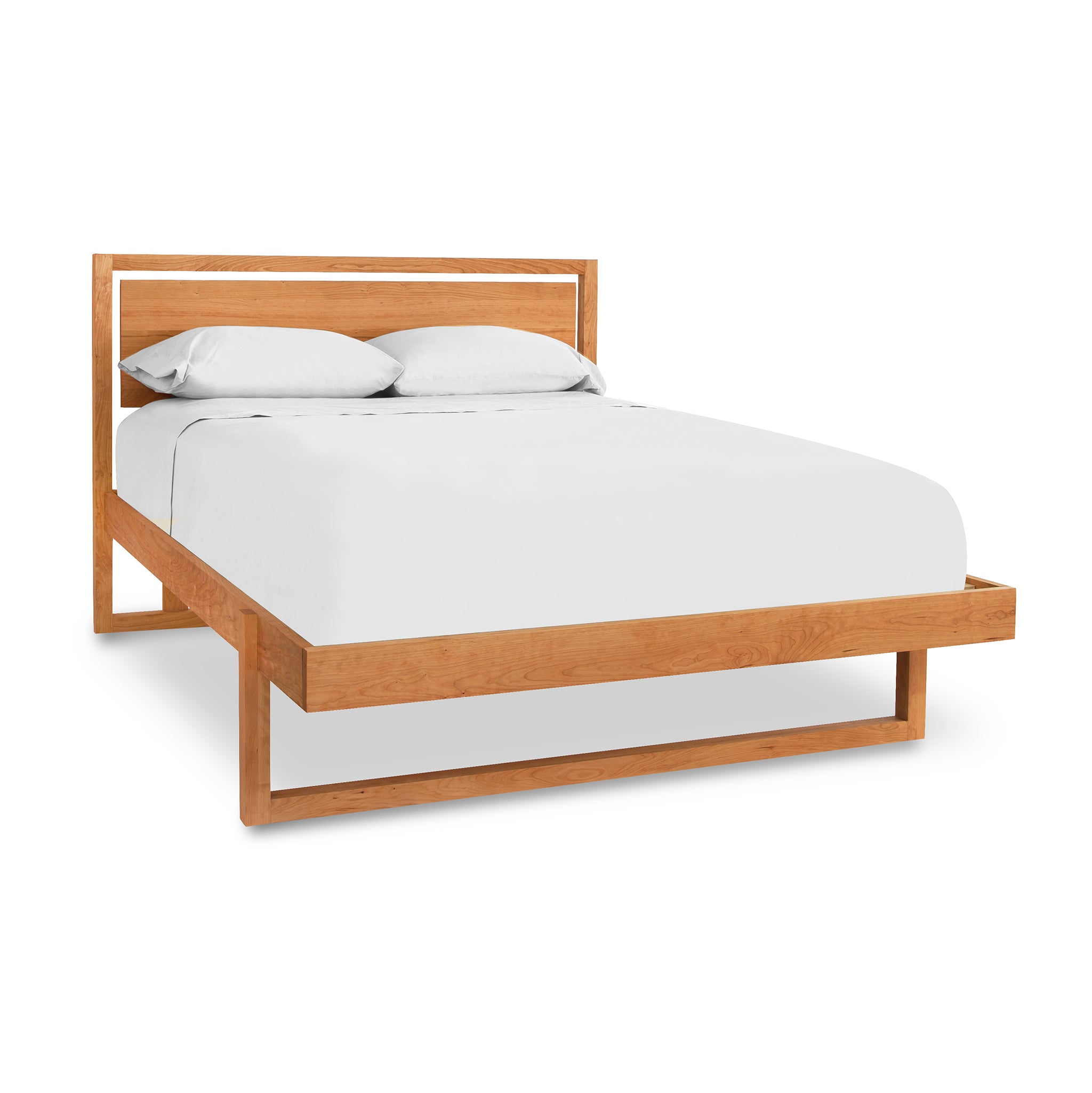
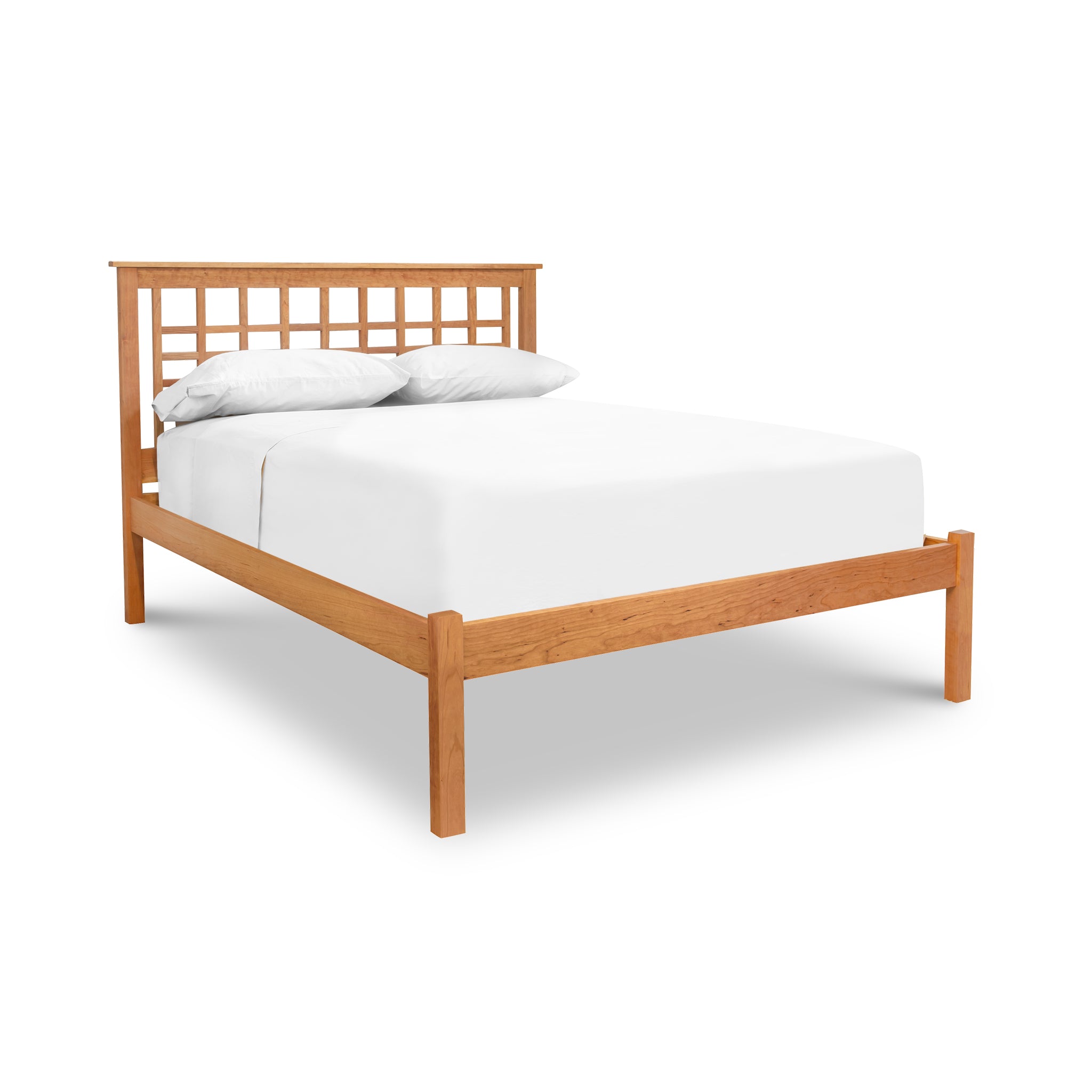
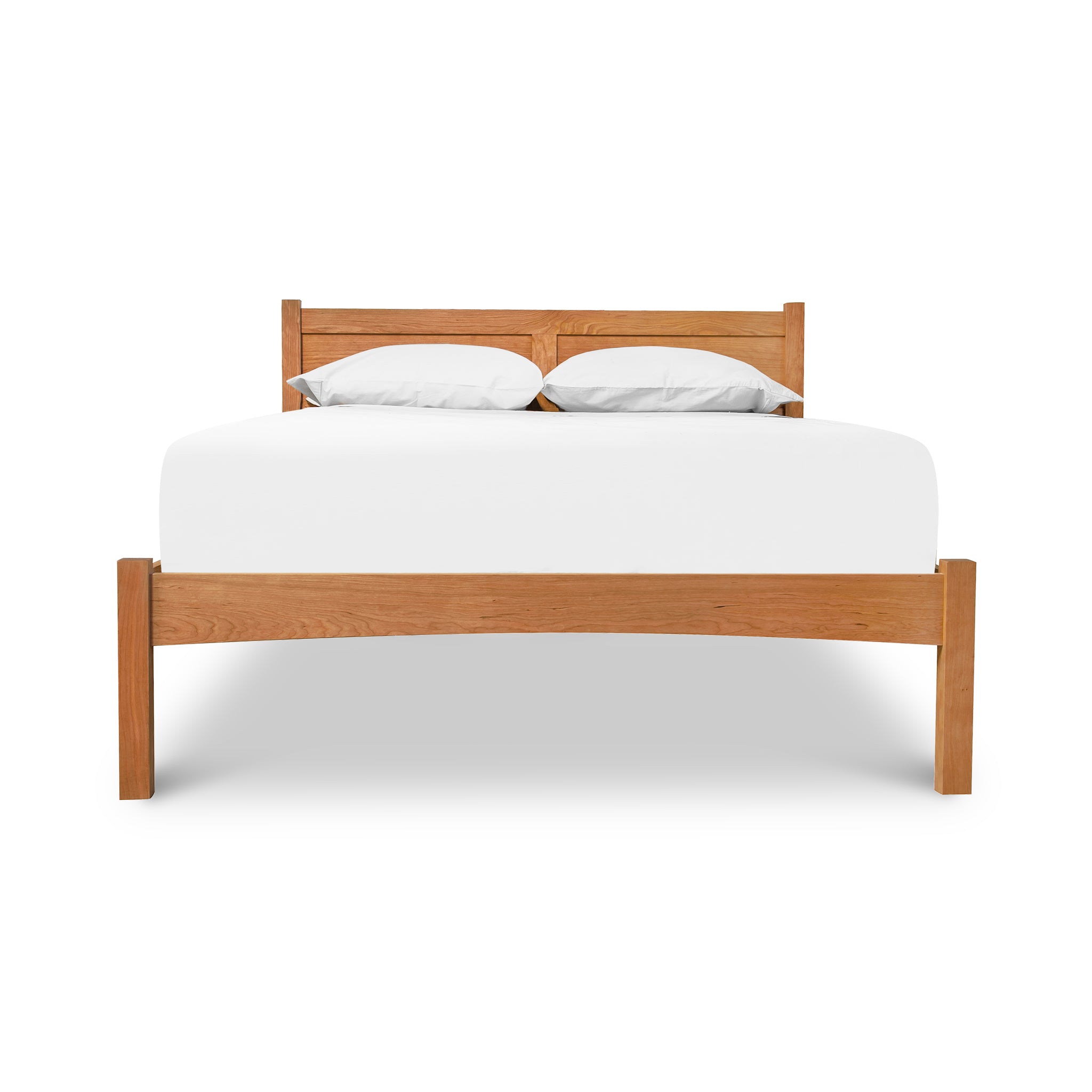
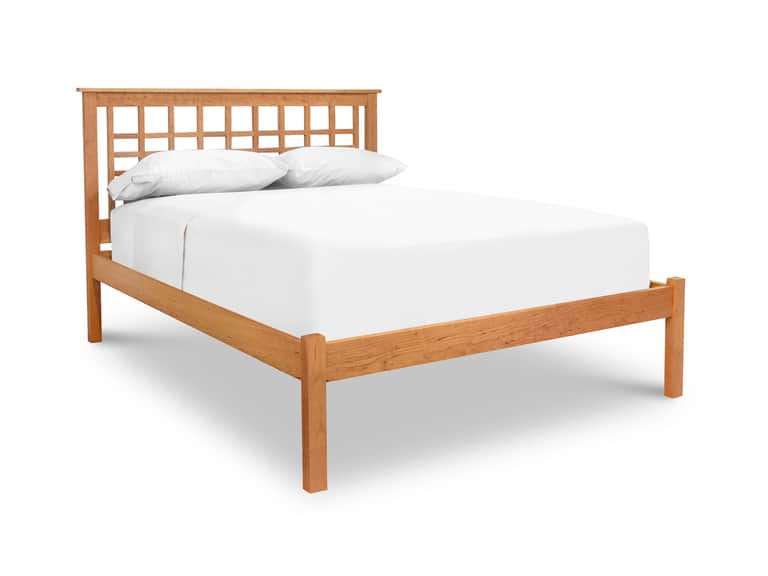
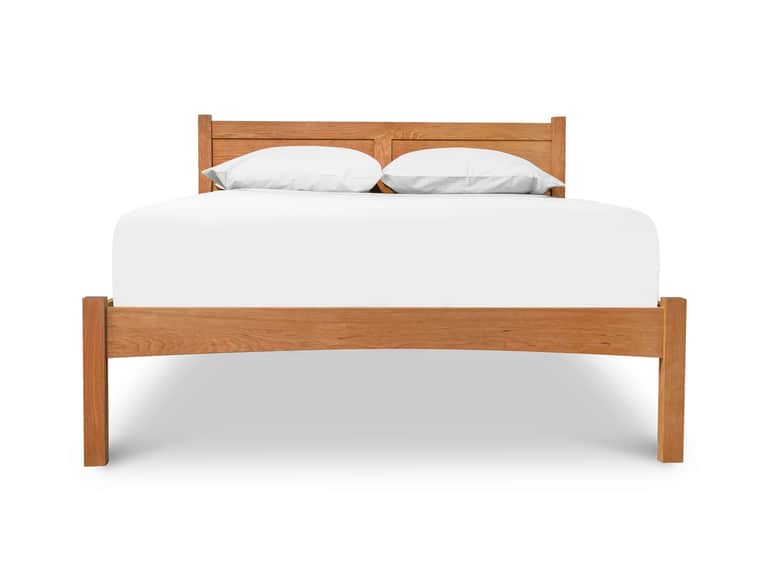
The Pendant Bed from Vermont Furniture Designs embodies the craftsmanship that resonates with a NH inn's ethos: solid cherry wood, traditional joinery, and an eco-friendly hand-applied oil finish. While this article remains informational, we highlight this example to illustrate how a durable, timeless foundation can anchor a guest room’s aesthetic while delivering reliable sleep support.
Origin: Vermont, USA
Material: Solid sustainably harvested cherry wood
Finish: Eco-friendly hand applied oil
Note: The article highlights product concepts for illustrative purposes. Availability and endorsements are not implied. See product details for specifications and care recommendations.
Conclusion: Elevating Guest Sleep Across NH Inns
Great sleep is a defining feature of a remarkable inn experience. By prioritizing durable foundations, thoughtful pillow ensembles, and seasonally adaptive bedding, NH inns can deliver consistent comfort that pleases guests and supports long-term success. The approach outlined here emphasizes independence, non-commercial guidance, and practical strategies that innkeepers of all sizes can adopt. Sleep quality isn’t just a comfort feature—it’s an integral part of hospitality that shapes guest journeys and travelers’ memories of New Hampshire.